Fine Print or Front Porch? The Case for Turning Your HOA Into Something Worth Joining
Let's say the quiet part out loud: when most people hear "HOA," they think of a letter about their trash cans. Or their lawn height. Or the shade of beige their shutters are allowed to be. The acronym has become shorthand for petty enforcement, and there's no shortage of horror stories to back that up.
But here's the opinion part of this opinion piece: the homeowners association is one of the most underused civic assets in American neighborhoods. It has a budget, a legal structure, regular meetings, and a built-in reason for neighbors to be in the same room. Most of them just use all of that to send violation notices instead of building anything. The difference between the two outcomes isn't luck. It's a handful of people deciding the HOA should be about neighbors instead of fine print.
What the Good Ones Look Like
In plenty of subdivisions across the country, associations have quietly reinvented themselves. A few patterns show up again and again:
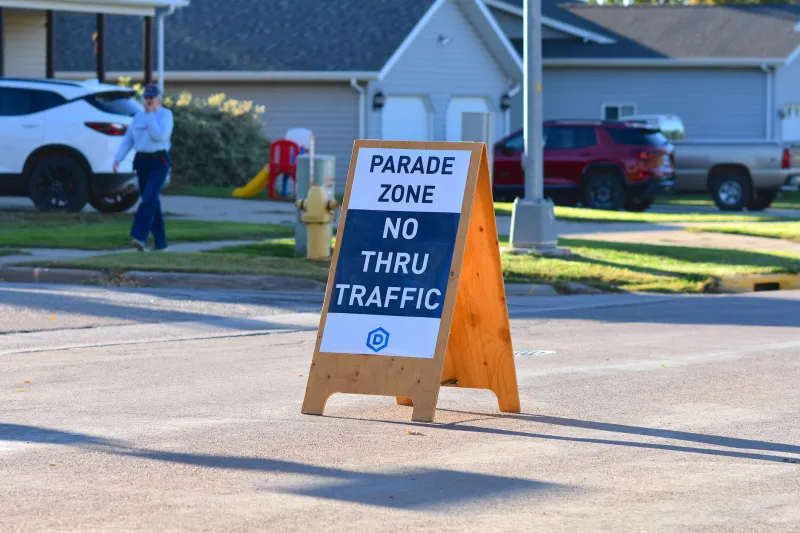
They spend money on gathering, not just landscaping. One association in the Phoenix area redirected a chunk of its surplus into an annual fall festival and a summer concert series in the green space — and saw board meeting attendance jump from a handful of grumbling owners to a genuine crowd.
They communicate like humans. The best HOA newsletters read like a neighborhood update, not a court summons: who's new on the block, when the pool opens, which volunteer fixed the entrance sign, where to find the nearest little library.
They lead with a phone call. When someone's grass gets long, the strong associations assume a reason — illness, travel, trouble — and check in before fining. That one habit flips the organization's reputation from watchdog to neighbor faster than anything else.
They make service easy. Committees for welcoming new residents, coordinating meals after a hospital stay, or organizing a spring cleanup give people a low-stakes way to participate. Nobody joins the board as their first act of involvement.
The Playbook for Members Who Want More
If your association is all enforcement and no warmth, here's a realistic path — no coup required:
- Show up before you complain. Change agents who attend three meetings before criticizing anything get taken seriously. Ones who show up angry for the first time don't.
- Propose one small, visible win. A block party. A tool-share day. A welcome basket program. Small beats grand; it proves the concept and builds a crew.
- Volunteer for the communications job. Whoever controls the newsletter and the email list controls the tone. It's the least glamorous board role and the most powerful.
- Find the budget line. Ask for a copy of the budget (you're entitled to it) and look for surplus. Framing a proposal as "we can afford this" lands differently than "we should spend more."
- Recruit one neighbor per cul-de-sac. Participation spreads street by street, not through mass emails nobody reads.
The Honest Caveat
Some associations are genuinely dysfunctional, captured by a small clique or run by a management company that profits from conflict. Not every HOA can be saved, and state legislatures are slowly tightening the rules for good reason. If yours is that kind, the goal shifts to transparency and turnover at the ballot box — which is its own kind of community work.
But most aren't. Most are just default settings: a structure built for maintenance, running on autopilot, waiting for someone to point it at people instead of property. Your neighborhood already has the meeting room, the dues, and the mailing list. What it does with them is up to whoever shows up next. Might as well be you.