Beyond the Transaction: 5 Real Ways Local Business Owners Can Turn Customers Into Community
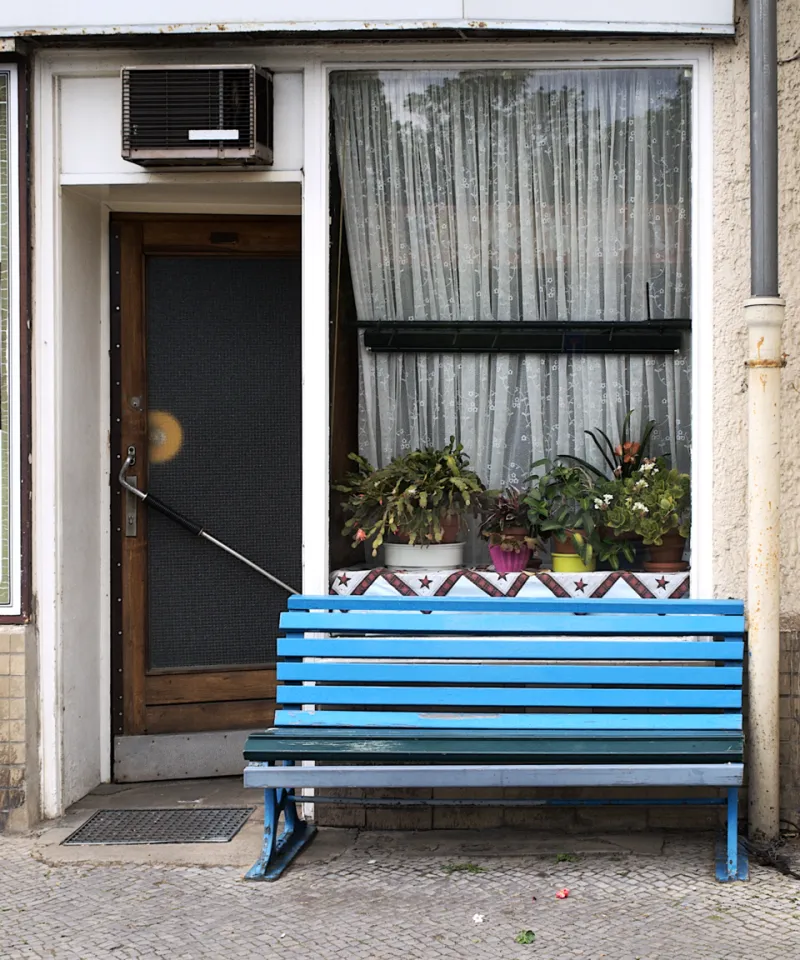
Photo: Babewyn, CC BY-SA 4.0, via Wikimedia Commons
Let's be honest — a punch card isn't going to cut it anymore.
Customers today, especially in smaller and mid-sized communities, are looking for more than a good deal. They want to support businesses that feel like part of something. They want to spend their money with people they know, in places that give back. And when they find a local business that genuinely gets that? They become advocates, not just customers.
Here are five strategies that small business owners across the US are using right now to build that kind of deep, lasting loyalty — along with real examples of what success actually looks like.
1. Host Skill-Share Events That Serve Your Neighborhood
The most effective community events aren't about promoting your business — they're about adding genuine value to people's lives. And when you host them, the promotional benefit takes care of itself.
A hardware store in Bozeman, Montana started offering free Saturday morning workshops on home repair basics — things like fixing a leaky faucet, patching drywall, and winterizing pipes. The workshops were free, kept to about 90 minutes, and run by the store's own staff. Within six months, workshop attendees were spending an average of 60% more per visit than non-attendees, and the store's Google reviews jumped significantly — not because of the products, but because of how the events made people feel.
"People kept saying they finally felt confident enough to tackle projects they'd been putting off for years," the owner shared. "We weren't just selling them a wrench. We were giving them the ability to take care of their own home. That means something."
The takeaway: Think about what knowledge or skills you have that your community genuinely needs. Then give it away freely. The goodwill — and the business — will follow.
2. Partner With Local Nonprofits in a Way That's Actually Meaningful
There's a difference between slapping a charity's logo on a receipt and building a real partnership. Customers can tell the difference, and so can the nonprofits.
A bakery in Asheville, North Carolina built a genuine, ongoing relationship with a local food bank by dedicating a specific product — a signature loaf — to the cause. For every loaf sold, a dollar goes directly to the food bank, and the food bank's volunteers are regularly featured in the bakery's social media content. The relationship has become part of the bakery's identity, not just a campaign.
The results? A 25% increase in that specific product's sales after the partnership was announced, and a measurable uptick in new customers who cited the partnership as the reason they came in.
Beyond the numbers, the bakery now has a built-in network of engaged community members — the food bank's donors, volunteers, and recipients — who feel a personal connection to the business.
Pro tip: Choose a nonprofit whose mission genuinely aligns with your values and your customers' values. Authenticity matters more than the size of the donation.
3. Create a Regular Gathering That Belongs to the Community
One of the most underused tools in a local business owner's playbook is the power of a recurring event. Not a one-time sale. Not an annual holiday party. A regular, consistent gathering that people can count on.
A bookstore in Lawrence, Kansas hosts a monthly community reading hour that's open to everyone — no purchase required. They bring in local authors, educators, and sometimes just interesting neighbors with a good story. The event is free, casual, and has become a genuine fixture in the town's social calendar.
The store doesn't track how much attendees spend on event nights — they don't need to. The store has become the kind of place people think of when they think of their town. That top-of-mind presence translates directly into revenue when birthdays, holidays, and gift-giving occasions roll around.
The principle here is simple: give people a reason to show up regularly, and they'll bring their wallets eventually. But more importantly, they'll bring their friends.
4. Build a Local Business Alliance and Cross-Promote Genuinely
Small business owners sometimes fall into the trap of seeing other local businesses as competition. The ones who are winning right now tend to see them as collaborators.
In a small coastal town in Maine, a group of seven independent businesses — a café, a yarn shop, a kayak rental company, a pottery studio, and others — formed an informal alliance. They cross-promote each other on social media, bundle services for special packages, and refer customers to each other constantly. They even created a shared loyalty stamp card that works across all seven businesses.
The result? All seven reported increased foot traffic within the first year, and several gained customers who had never heard of them before joining the alliance. More importantly, the alliance became a story — local media covered it, visitors sought it out, and it became part of the town's identity.
When local businesses succeed together, the whole community benefits. That's not just feel-good talk — it's economics.
5. Use Your Platform to Amplify Community Voices
Your business's social media, email list, and physical space are platforms. Use them to shine a light on your community, not just your products.
Feature a local student's artwork on your walls. Share a neighbor's small business announcement in your newsletter. Post about the high school sports team's big win. These small acts of amplification cost you almost nothing, but they communicate something powerful: this business cares about what's happening here.
A family-owned diner in rural Ohio built a following of over 12,000 Instagram followers — massive for a town of 4,000 — almost entirely by documenting community life. Harvest festivals, local graduations, neighborhood milestones. The diner itself is almost secondary. What people follow is the sense of place.
And when those followers — local and far-flung — want a meal or want to send a gift card to a family member back home, there's only one place they think of.
The Bottom Line
Customer loyalty isn't something you buy with points and coupons. It's something you earn by showing up — consistently, generously, and genuinely — for the people around you. The businesses that understand this aren't just building customer bases. They're building communities. And communities, it turns out, are the most resilient business model there is.