From Skyscrapers to Main Street: Why Young Professionals Are Trading City Life for Small-Town Roots

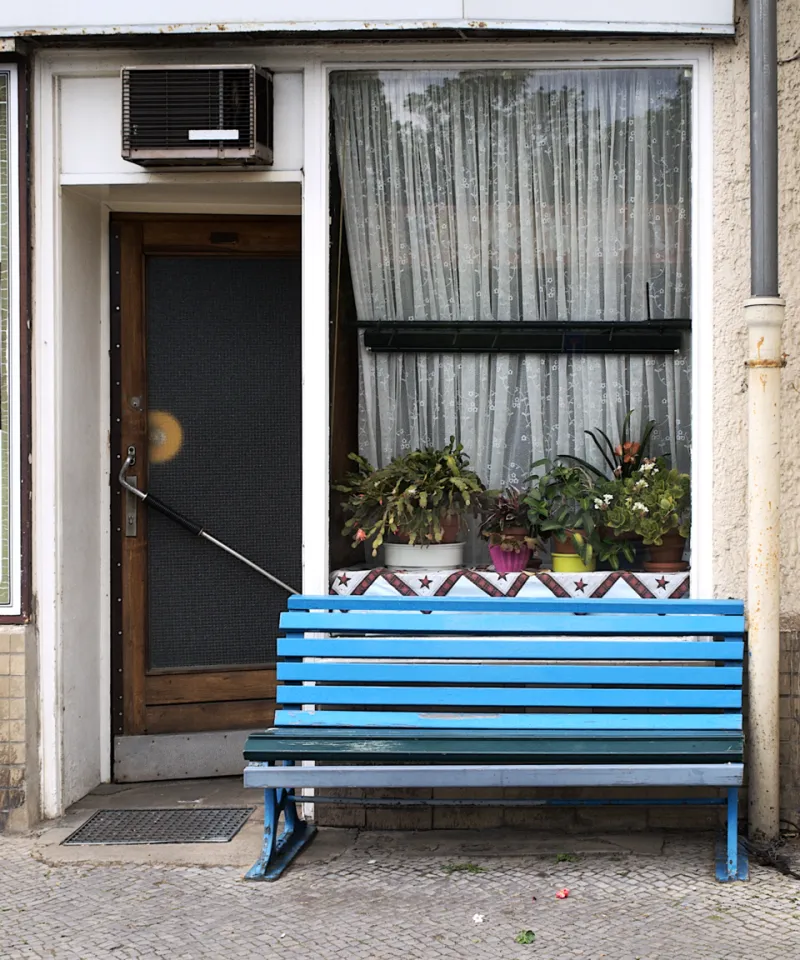
Photo: Bill Branson (Photographer), Public domain, via Wikimedia Commons
Not long ago, the idea of a 28-year-old software engineer voluntarily leaving a San Francisco apartment for a town with one coffee shop and a Friday night farmers market would have seemed almost absurd. Today, that story is playing out in hundreds of small communities across the United States — and the people making that move aren't looking back.
This isn't just a pandemic-era blip. It's a full-on cultural recalibration, and small towns are quietly winning.
The Numbers Don't Lie
According to data from the U.S. Census Bureau and multiple migration tracking platforms, non-metropolitan counties saw their first sustained population growth in over a decade between 2020 and 2023. What's more telling, though, is who is moving. It's not just retirees chasing lower property taxes. It's millennials and Gen Z workers — people in their mid-twenties to late thirties — who are showing up with laptops, side hustles, and a genuine appetite for community.
A 2023 report from the Economic Innovation Group found that remote-capable workers relocating to smaller markets were disproportionately college-educated and earning above the local median income. In other words, these aren't people fleeing failure. They're making deliberate choices.
"I had a great job, a decent apartment, and I knew maybe four people in my building after three years," says Marcus Delray, a UX designer who relocated from Chicago to a small river town in central Wisconsin in 2022. "I wanted a life, not just a lifestyle."
What Community Actually Feels Like
There's a word that keeps coming up in conversations with people who've made this kind of move: texture. City life, for all its energy, can feel oddly frictionless — you can go days without a meaningful interaction. Small towns, by contrast, have texture. You run into the same people at the hardware store, at the school pickup line, at the weekend trail cleanup. Those repeated, low-stakes encounters are, it turns out, the building blocks of real community.
Researchers at Brigham Young University have long studied the health impacts of social connection, and their findings are striking: people with strong community ties live longer, report higher life satisfaction, and are more economically resilient during downturns. Small towns, with their built-in proximity and shared local identity, create the conditions for that kind of connection almost by default.
Jasmine Okafor, who left a marketing role in Atlanta to open a branding consultancy in a small Georgia mountain town, puts it simply: "I have clients here, yes. But I also have people who bring me soup when I'm sick. That's not something you can put a dollar value on — except that it kind of is, because I'm more productive, more creative, and way less burned out than I ever was in the city."
Local Businesses Are Cashing In on the Shift
Savvy small-town business owners are recognizing this migration as an opportunity — not just to add customers, but to build a richer local economy. When remote workers arrive with city-level salaries and small-town expenses, they have disposable income. The question is whether local businesses can capture it.
In places that are doing it well, the answer involves more than just good products. It involves community infrastructure. Think co-working spaces that double as event venues. Coffee shops that host skill-share workshops. Hardware stores that run weekend DIY classes for new homeowners. These aren't just marketing gimmicks — they're ways of weaving a business into the fabric of daily life.
Take the example of a small bookstore in rural Vermont that began hosting a monthly "New Neighbors" mixer after noticing an uptick in transplants. Within a year, foot traffic had increased by 40%, and the owner credits not the events themselves but the relationships they sparked — people who came once stayed because they felt like they belonged.
"We're not just selling books," the owner told a regional business journal. "We're selling a reason to be here."
The Infrastructure Question
Of course, not every small town is positioned to absorb this kind of growth gracefully. Reliable broadband is still a genuine barrier in many rural areas — something the federal government is actively working to address through programs like the USDA's ReConnect initiative. Healthcare access, school quality, and public transit are also factors that weigh heavily on families making relocation decisions.
But the towns that are investing in community infrastructure — not just roads and utilities, but gathering spaces, local events, and digital platforms that help residents connect — are finding that the investment pays off in ways that are hard to quantify on a budget spreadsheet but very real in everyday life.
Community hubs, whether physical or digital, are increasingly being recognized as economic development tools. When people feel genuinely plugged into a place, they spend locally, they volunteer, they start businesses, and they recruit their friends. The ripple effects are enormous.
The Folkert Mindset
At Folkert Community Hub, we see this every day. People aren't just looking for a place to live — they're looking for a place to belong. And belonging isn't accidental. It's built, intentionally, through shared spaces, shared stories, and shared investment in each other's success.
The small towns winning this moment aren't the ones with the best scenery or the cheapest real estate, though those things help. They're the ones that made a deliberate choice to prioritize community — to build the connective tissue that turns a collection of houses into an actual place.
For young professionals weighing their options, that's an increasingly compelling pitch. And for the communities ready to receive them, the opportunity is wide open.