Skip the Big-Box Run: 10 Things Every Town Should Lend Out for Free
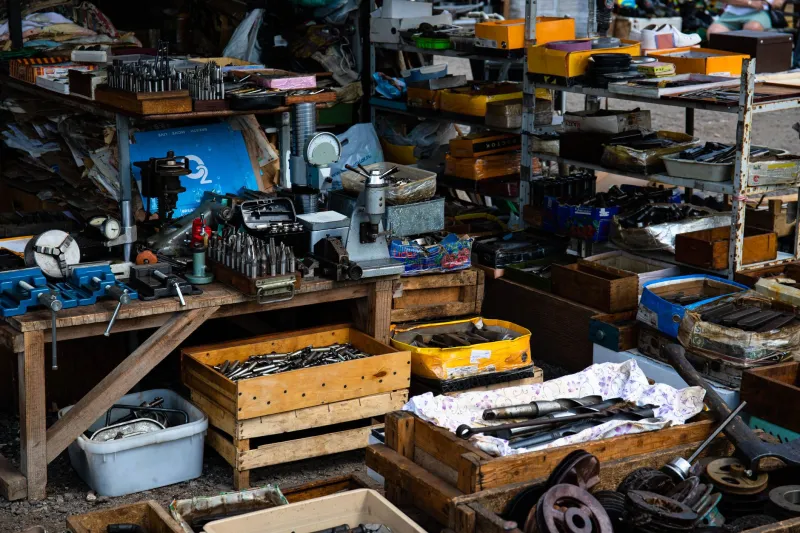
Somewhere in your town right now is a power washer that gets used twice a year, a stand mixer that came out for one holiday, and a staple gun that's been in a closet since the last move. Meanwhile, down the street, somebody is about to buy all three of those things new.
That mismatch is exactly what a "library of things" fixes. Borrowing libraries for physical stuff — not just books — have been quietly multiplying across the country, and they've turned out to be one of the cheapest, fastest ways to build local connection. Here's what's actually worth putting on the shelves, based on what successful libraries lend out most.
The Heavy Hitters
1. Power tools. Drills, circular saws, sanders. This is the backbone of every tool library. Nobody needs a tile saw for a lifetime; they need it for a weekend.
2. Pressure washers. Consistently among the most-requested items anywhere. High cost to buy, low cost to store, used maybe twice a year.
3. Lawn and garden equipment. Aerators, hedge trimmers, wheelbarrows, and — increasingly — manual push mowers for small yards.
4. Ladders. Extension ladders especially. Everyone needs one about once a year and nobody wants to own the 28-foot version.
The Surprise Stars
5. Cake pans and specialty bakeware. Shaped pans, cheesecake molds, giant cookie cutters. Bakers use them once and shelve them forever — which makes them perfect to share.
6. Party equipment. Folding tables, chair sets, canopy tents, a cotton candy machine if you're feeling ambitious. This category alone gets people through the door.
7. Camping gear. Tents, coolers, sleeping pads. Great for families testing the hobby before committing hundreds of dollars to it.
8. Sewing machines. A classic. Most people need one for a single hem repair.
The Quiet Essentials
9. Home test kits. Thermal cameras, moisture meters, radon detectors, outlet testers. Small, cheap to stock, and genuinely useful for first-time homeowners.
10. Seed libraries. Technically a swap rather than a loan, but seed exchanges run out of the same building and draw the same crowd. Take packets in spring, bring back saved seeds in fall.
Starting One Without Breaking the Bank
The barrier to entry is lower than you'd think. Plenty of lending libraries got going for under $500 by doing three things:
- Asking for donations first. You'd be amazed what's sitting in garages. Post in your local Facebook group or neighborhood app: "Starting a tool library — what would you donate?" The tools show up before the shelves do.
- Partnering with existing space. Public libraries, churches, and community centers will often host a lending closet for free. You bring the inventory; they bring the roof.
- Keeping the paperwork light. A simple membership form, a photo ID, and a spreadsheet. Fancy software can come later.
Rules That Keep It Running
The libraries that last share a few habits: a modest late fee or a suspension policy for repeat offenders, a volunteer shift requirement (even just one per season), a quick sign-off that borrowers know how to use what they're taking, and a clear "return it clean" norm. None of it is heavy-handed — it just protects the volunteers who make the whole thing possible.
The bigger payoff, though, isn't the savings. It's that people who borrow together end up knowing each other. The person who shows you how the tile saw works becomes the person you chat with at the farmers market. In a time when a lot of us feel stretched thin, that's a return you can't put on a receipt.