Nobody Told You Making Friends After 30 Would Feel This Hard—But Here's What Actually Works
At some point in your mid-twenties or early thirties, you probably noticed it: the easy friendships of college or early adulthood had quietly thinned out, and making new ones felt weirdly difficult—almost embarrassing to admit. You'd meet someone interesting at a work event or a neighbor's barbecue, have a genuinely good conversation, and then... nothing. The connection just didn't continue. No one followed up. Life moved on.
You weren't imagining it. Adult friendship in America is genuinely harder than it used to be, and the reasons are structural, not personal.
The Architecture of Isolation
Researchers have been tracking what they're calling a "friendship recession" for about a decade now. A 2021 survey from the Survey Center on American Life found that the percentage of Americans who said they had no close friends had quadrupled since 1990. Quadrupled. That's not a blip—that's a cultural shift.
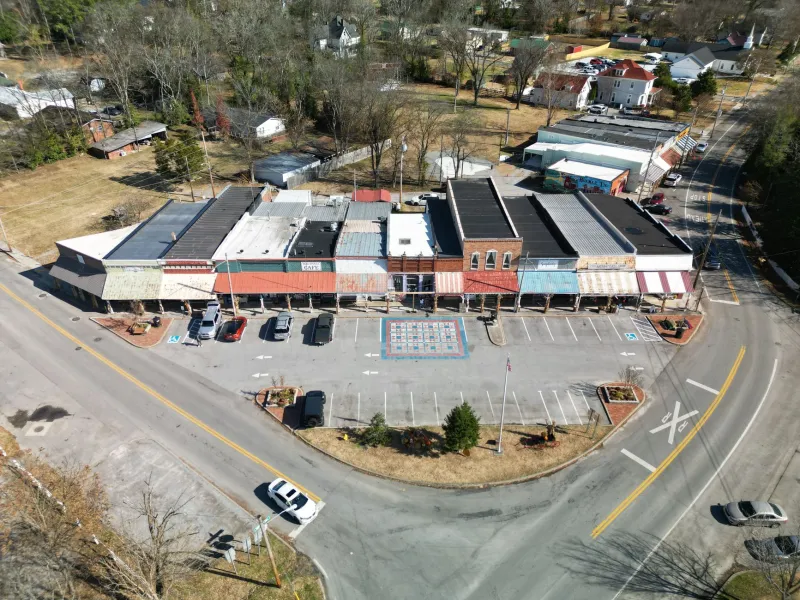
The causes aren't mysterious once you start looking at how American life is physically organized. Suburban sprawl replaced walkable neighborhoods with car-dependent developments where you can live next to someone for five years without ever having a real conversation. Work-from-home culture—which has real benefits—also eliminated the accidental daily contact that used to generate at least some social fabric. And the rise of digital communication gave us the feeling of connection without much of the actual substance.
Here's the thing about digital connection: it's frictionless, which sounds like a good thing until you realize that friction is often what makes relationships real. Having to show up somewhere, navigate an awkward silence, figure out what you have in common with someone—those uncomfortable moments are where friendships actually get built.
Why Proximity Alone Isn't Enough Anymore
For most of human history, proximity was the primary engine of friendship. You were friends with the people who lived near you, worked near you, worshipped near you. That wasn't a choice—it was just geography.
Modern life has mostly dismantled that engine. You work remotely. You shop online. You worship, if you do, at a church or mosque or synagogue that might be forty minutes from your house. The people physically closest to you—your actual neighbors—are often the people you know least.
This creates a paradox: you can be surrounded by people and still feel fundamentally alone. And the solution isn't just "go meet more people." The solution requires intentionally creating the conditions that used to happen automatically.
What the Most Connected People in Any Neighborhood Have in Common
There's usually someone in every neighborhood who seems to know everyone. The person who organizes the block party, who introduces you to the couple three houses down, who somehow has a relationship with the owner of every local business on the main strip. What do these people actually do differently?
A few things stand out:
They show up to the same places repeatedly. Friendship researchers have a name for this—the "mere exposure effect." Familiarity breeds connection. The person who goes to the same coffee shop every Tuesday morning, the same farmers market every Saturday, the same yoga class every week—they're not just building habits. They're building a social network through repetition.
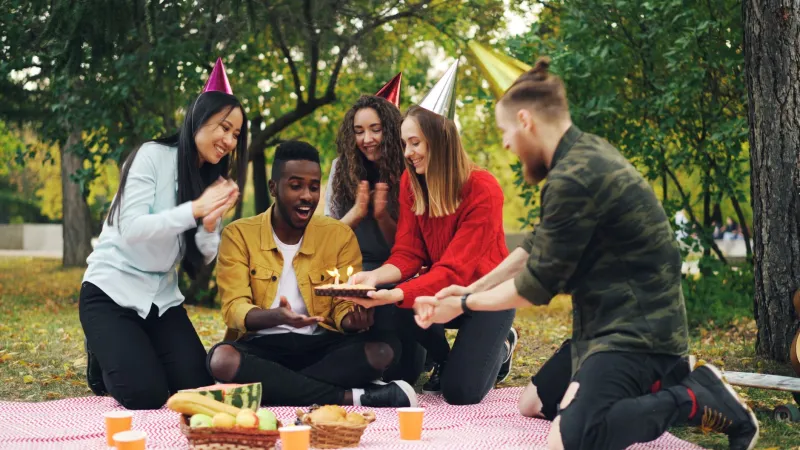
They create low-stakes opportunities for others to gather. The neighborhood dinner doesn't have to be elaborate. Some of the most socially generative people I know host monthly potlucks where the only rule is that everyone brings something and no one has to stay longer than they want to. The consistency matters more than the production value.
They use digital tools to move conversations offline. This is the part that community platforms like this one are actually well-suited for. Online groups and local apps are most valuable not as places to have relationships, but as places to find out about the book club, the hiking group, the Thursday morning run that meets at the park. The goal is always to get to the real thing.
What Local Businesses Can Do (And Why It Matters for Them Too)
Here's an angle that doesn't get enough attention: local small businesses are uniquely positioned to be the infrastructure of adult friendship, and the ones that understand this tend to thrive.
A coffee shop that hosts a monthly trivia night isn't just generating Tuesday revenue. It's creating a reason for regulars to become friends with each other—and then to keep coming back because of those friendships. A bookstore that runs a monthly reading group isn't just selling books. It's building a community of people who associate good feelings with that space.
Breweries figured this out faster than most. The taproom model—long communal tables, games, rotating events—is essentially a designed environment for strangers to become acquaintances and acquaintances to become friends. It's not accidental.
For small business owners reading this: your regulars want reasons to connect with each other, not just with you. Give them a recurring event, a communal table, a reason to introduce themselves to the person next to them. You'll build loyalty that no loyalty card program can replicate.
Practical Moves That Actually Lower the Barrier
If you're reading this and thinking "okay, but I'm not naturally a connector," here are some concrete starting points that don't require you to be an extrovert:
The recurring invitation. Pick one thing you do regularly—a run, a board game night, a walk to the farmers market—and start telling one or two people about it with an open invitation. Not a formal invitation, just a casual "I do this every Sunday morning if you ever want to join." The consistency does the work over time.
The activity buffer. Friendships are easier to build when there's something to do together besides just talking. Join a recreational sports league, a community garden, a hiking club. The shared activity gives you something to focus on while the relationship develops in the background.
The follow-up text. This sounds embarrassingly simple, but it's where most potential adult friendships die. If you met someone interesting at a neighborhood event, send a message. Don't wait for them to do it. The awkwardness you feel about initiating is almost certainly mutual—which means someone has to go first.
The neighborhood dinner. Host one. Make it low-key, keep the guest list manageable, and invite at least a couple of people who don't know each other yet. Do it again three months later. Then again. The magic is in the repetition.
The Bigger Picture
Loneliness isn't just a personal problem. It has measurable effects on physical health, on civic participation, on the economic vitality of communities. Neighborhoods where people know and trust each other are safer, more resilient, and better at solving shared problems.
Building adult friendships isn't just good for you—it's good for the place you live. Every connection you make in your community is a small investment in the social infrastructure that makes everything else work better.
The hard part is starting. The good news is that starting is usually smaller than it feels.