Dead Zones No More: How Small Towns Are Breathing Life Back Into Empty Storefronts
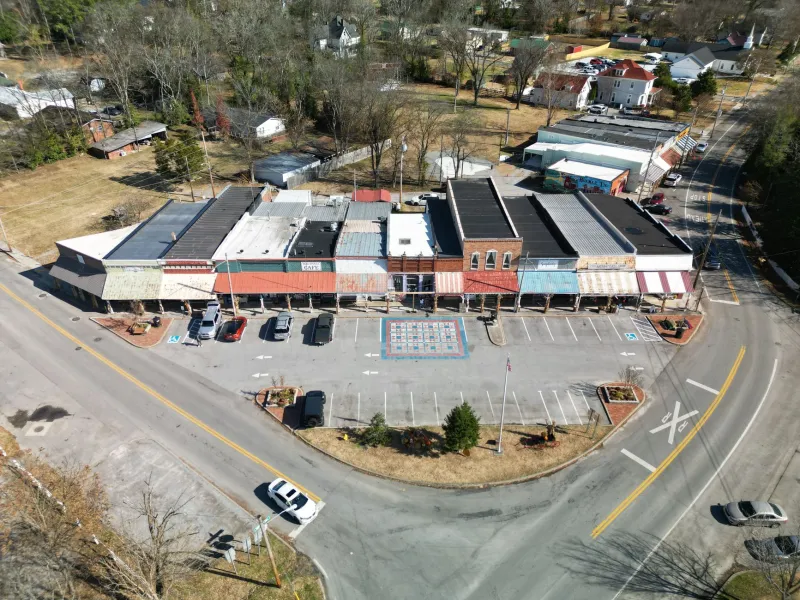
There's a particular kind of sadness to a boarded-up storefront. You walk past it on your way to grab coffee, or on a weekend stroll with the kids, and you notice the faded "For Lease" sign that's been sun-bleached for three years. You wonder what used to be there. You wonder what could be.
Across the country, that wondering is turning into doing.
In dozens of mid-sized American towns, residents—not city planners, not deep-pocketed developers—are rolling up their sleeves and reclaiming vacant commercial spaces in ways that are creative, practical, and genuinely community-rooted. The results are messy, sometimes imperfect, and almost always more interesting than anything a corporate tenant would have brought.
The Scale of the Problem
Vacant storefronts aren't just an eyesore. They're an economic signal that something has broken down in the relationship between a town and its commercial core. According to data from the National Trust for Historic Preservation, small and mid-sized downtowns have seen vacancy rates climb steadily since the mid-2000s—a trend that accelerated sharply after 2020.
The causes are layered. E-commerce pulled retail spending online. The pandemic emptied offices and shuttered restaurants. Commercial rents, in many places, never adjusted downward even as foot traffic collapsed. And landlords, sometimes holding out for a national chain tenant that never materializes, let buildings sit empty for years.
But here's the thing about a problem that's been sitting long enough: communities start solving it themselves.
Pop-Up Culture as a Permanent Strategy
In Traverse City, Michigan, a group of local artisans and farmers launched what they called a "rotating market" inside a vacant former clothing boutique. The landlord, tired of carrying the property with no income, agreed to a month-to-month arrangement at a fraction of market rent. What started as a holiday pop-up in 2021 has since become a year-round anchor, cycling through vendors every few weeks and drawing consistent foot traffic that neighboring businesses have noticed and appreciated.
"We weren't trying to solve the downtown vacancy crisis," said one of the organizers. "We just wanted somewhere warm to sell our stuff in December. But then January came, and nobody wanted to leave."
That's a pattern worth noting. Pop-up markets, when they're community-organized rather than commercially managed, tend to generate loyalty that outlasts their temporary nature. They become gathering points. They become reasons to show up.
Artist Collectives and the Creative Placeholder
In Youngstown, Ohio—a city that has wrestled publicly with post-industrial decline—a network of visual artists negotiated short-term leases on several connected storefronts along a struggling corridor and converted them into open studio space. The arrangement was simple: artists got affordable workspace, landlords got occupied buildings (which matters for insurance and code compliance), and the street got visible activity.
The Youngstown model has been replicated in variations across Rust Belt cities and rural towns alike. What makes it work isn't just the creativity—it's the visibility. When people can see through a window and watch someone painting or building or making something, it changes the energy of a block. Vacancy communicates abandonment. Activity communicates possibility.
Some communities have formalized this through what urban planners call "meanwhile use" agreements—temporary licenses that allow community groups to activate spaces without the friction of traditional commercial leases. Cities like Detroit and Pittsburgh have developed frameworks for these arrangements, but the truth is, many of the best examples happened before any official framework existed. Neighbors just figured it out.
Micro-Offices and the Remote Work Opportunity
Here's a trend that's easy to miss if you're not looking: the explosion of remote and hybrid work has created a new kind of demand for shared workspace in smaller towns. Freelancers, consultants, and remote employees who moved out of major metros during and after the pandemic didn't stop needing somewhere to work. They just needed it closer to home—and cheaper.
In Bozeman, Montana, a group of six freelancers pooled resources, approached a landlord with a vacant 1,200-square-foot retail space, and proposed converting it into a shared co-working suite. The landlord said yes. The group built out the space themselves over a few weekends, brought in secondhand furniture, added a coffee station and a whiteboard wall, and opened it to a broader membership within three months.
Today, the space has over forty regular members and a waitlist. More importantly, it's become an informal networking hub—the kind of place where a graphic designer ends up collaborating with a local restaurant owner, or a marketing consultant connects a small retailer with a web developer they met at the communal coffee maker.
This is the hidden value of reclaimed spaces: they don't just fill a building. They create conditions for connection.
What It Actually Takes
None of this is effortless. Resident-led space reclamation requires negotiation skills, a tolerance for bureaucratic friction, and the ability to rally neighbors around a shared vision. Zoning regulations can be a genuine obstacle. Landlords can be stubborn or unrealistic about rent expectations. Insurance and liability questions are real.
But the communities making progress tend to share a few traits. They have at least one or two people willing to be the persistent advocate—the person who makes the tenth phone call and shows up to the third city council meeting. They build relationships with local government rather than working around it. And they start small, proving the concept before scaling.
The organizations that support this work—local Main Street programs, community development corporations, and regional economic development nonprofits—can be valuable allies. But the energy almost always comes from the ground up.
Your Town's Empty Storefront Is a Question
The next time you walk past a vacant building downtown, consider it an open question rather than a settled fact. What does your neighborhood actually need? A place to gather? A space for local makers to sell their work? Affordable desks for people who are tired of working from their kitchen tables?
The answers to those questions already exist—in the conversations happening at your local coffee shop, in the Facebook group for your neighborhood, in the ideas people carry around but assume someone else will act on.
Sometimes the most powerful thing a community can do is decide that waiting for outside investment isn't a strategy. It's just waiting.
The storefronts are sitting there. The question is who fills them first.