Don't Wait for City Hall: Everyday Residents Who Took Matters Into Their Own Hands — and Won

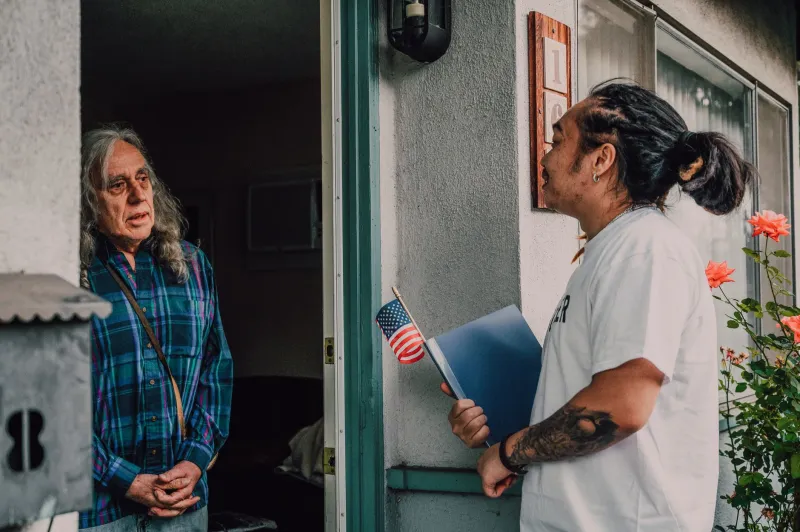
Photo by Photo by Leiada Krözjhen on Unsplash on Unsplash
Let's be honest: waiting for government to solve a local problem can feel like shouting into a very slow-moving void. Permit applications stall. Budget cycles drag. Committee meetings stretch into the next fiscal year. Meanwhile, the pothole on Elm Street is still there, the food pantry is still understocked, and the community garden that everyone wants is still just a vacant lot.
But here's what's also true: in neighborhoods and small towns all across America, regular people are getting tired of waiting. And what they're building in the meantime is pretty remarkable.
1. The Mutual Aid Network That Fed a Town
When the pandemic hit Brewton, Alabama in 2020, the formal social services infrastructure buckled almost overnight. Food banks ran dry. Elderly residents couldn't leave their homes. A 34-year-old school librarian named Janelle didn't have a nonprofit or a budget — she had a Facebook group and a pickup truck.
Within a week, she'd organized a network of over 200 volunteers delivering groceries, medications, and hot meals across a three-county area. Four years later, the network is still running. It's expanded to include a seed library, a clothing swap, and an informal job board. Total startup cost: about $40 in gas money.
Mutual aid networks like this one have exploded across the country since 2020, and they share a common thread — they work because they're built on existing relationships and trust, not bureaucratic processes. If you want to start one, the formula is simpler than you'd think: identify the most pressing need in your area, find ten people who care about it, and create one easy way for people to ask for help and one easy way to give it.
2. The Neighborhood Watch That Became a Neighborhood
In Lansing, Michigan, a neighborhood watch program started as most do — after a string of car break-ins made residents nervous. But the group's organizer, a retired postal worker named Marcus, had a different vision than the traditional "watch for strangers" model.
He reframed the whole effort around connection rather than surveillance. Monthly meetings became potluck dinners. The email list became a resource-sharing thread where neighbors offered everything from lawn mowers to babysitting. A "block captain" system gave everyone a role and a reason to know the people two doors down.
Crime in the area dropped, but more importantly, social isolation dropped too. Elderly residents who hadn't spoken to a neighbor in years started getting regular check-ins. New families felt welcomed instead of anonymous.
The takeaway? The most effective safety net in any neighborhood is the one made of people who actually know each other.
3. The Parents Who Fixed the Playground (and Then the School Budget)
In a rural district in eastern Oregon, a group of parents got tired of watching their kids play on rusted equipment the school district couldn't afford to replace. They raised $11,000 through a combination of a local 5K race, a crowdfunding campaign, and donations from three small businesses on Main Street. The playground was rebuilt in a weekend by volunteers.
But the real story is what happened next. The momentum from that project gave the group the confidence and the organizational muscle to tackle something bigger: advocating for a school levy that had failed twice before. This time, they ran a genuine community education campaign — door-to-door conversations, town halls in living rooms, a video series featuring local teachers. The levy passed.
Grassroots wins have a compounding effect. Each success builds the trust and the tools for the next one.
4. The Digital Literacy Club Run by Teenagers
In a small town in rural Mississippi, a group of high schoolers noticed that their grandparents were getting scammed online and struggling to use telehealth portals that had become essential after the nearest clinic closed. So they started a Saturday morning drop-in at the public library. No curriculum, no formal structure — just teenagers sitting next to seniors and walking them through whatever they needed.
Word spread. Within two months, they were averaging 25 visitors per session. A local credit union donated refurbished laptops. A regional broadband provider offered to sponsor the program. What started as four teenagers with a good idea turned into a genuine community institution.
This kind of intergenerational exchange solves two problems at once: it gives older residents access to tools they need, and it gives young people a visible, valued role in community life.
Your Turn: A Simple Framework for Starting Something
You don't need to be an organizer, a nonprofit director, or a particularly charismatic person to launch a community initiative. Here's a bare-bones framework that works:
Step 1: Name one specific problem. Not "the neighborhood needs improvement" — something concrete, like "seniors on Oak Street don't have rides to medical appointments."
Step 2: Find three other people who care about it. Not a committee. Not a board. Just three people who'll actually show up.
Step 3: Start embarrassingly small. The goal of the first effort isn't to solve the problem — it's to prove the concept and build trust. A single afternoon, a single event, a single solved problem.
Step 4: Tell the story publicly. Post about it on a local Facebook group. Write a letter to the community paper. Let people see that something is happening. Visibility creates momentum.
Step 5: Invite the next person in. Every time someone says "I wish I'd known about this," that's your next volunteer. Keep the door open.
Government has a role to play in community life — nobody's pretending otherwise. But the most resilient communities aren't the ones that wait for permission. They're the ones where neighbors have learned that they already have most of what they need: each other.